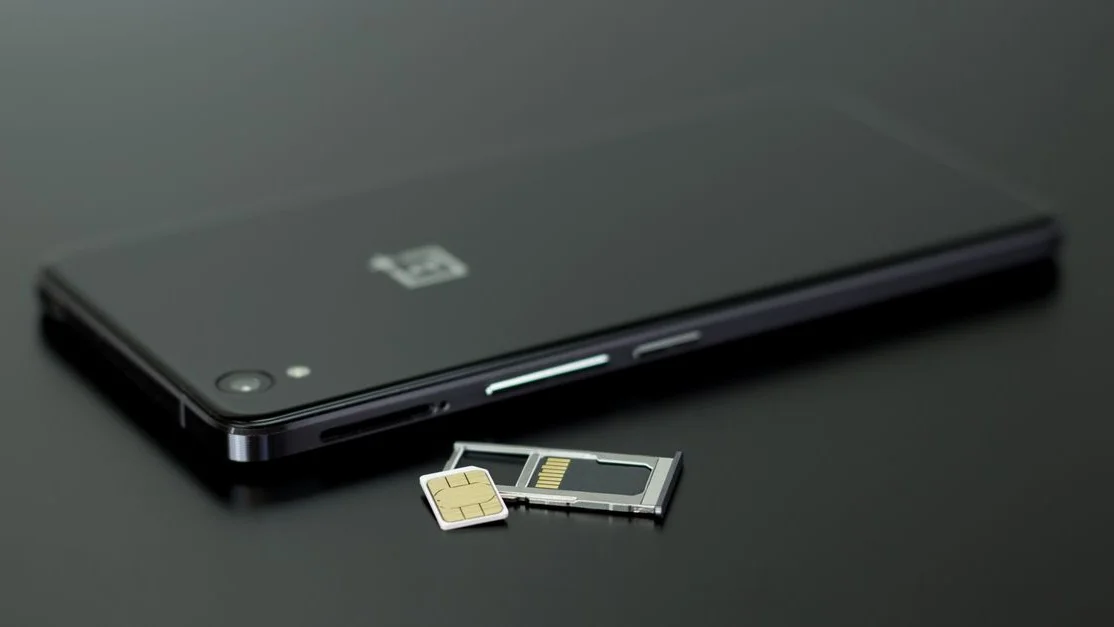
Staying online in the Czech Republic is usually straightforward, but knowing where to buy a SIM, how much data costs and which operator to pick will save you time and money. This guide walks you through real-world options in Prague, Brno and other regions, with tips on coverage, eSIMs and where to get help if something does not work as expected.
Quick summary
- Major Czech operators are T-Mobile, O2 and Vodafone, with good nationwide 4G and growing 5G coverage.
- Prepaid SIMs are easy to buy at Prague Airport, main train stations and city centres; you usually need an ID.
- Expect to pay a moderate price for short-stay tourist data packages; Wi‑Fi is common in hotels and cafés.
- eSIMs and offline map apps help if you want to avoid hunting for a physical SIM on arrival.
Mobile networks in the Czech Republic: the basics
The Czech Republic is well covered by three main operators: T‑Mobile Czech Republic, O2 Czech Republic and Vodafone Czech Republic. In cities like Prague, Brno, Ostrava and Plzeň you can usually expect solid 4G/LTE and growing 5G coverage, while rural areas such as Šumava, Jeseníky or parts of South Bohemia may occasionally drop to 3G or weaker signal, especially in valleys and forests.
For most visitors, a prepaid (pay-as-you-go) SIM is the simplest option. These are sold under the main brands and also under sub‑brands such as Tesco Mobile (using O2’s network) and other smaller virtual operators. Many short-term tourist bundles focus on data rather than calls, which suits navigation and messaging apps. If you plan to travel extensively by train through regions like Vysočina or the Bohemian Paradise, it is worth choosing one of the big three networks for more consistent coverage.
- T‑Mobile, O2 and Vodafone shops are common in larger cities and shopping centres such as OC Nový Smíchov in Prague or Galerie Vaňkovka in Brno.
- Coverage is generally reliable along main rail and motorway routes between Prague, Brno, Plzeň, Liberec and České Budějovice, with occasional weak spots in mountains and border areas.
Where to buy a SIM in Prague, Brno and at airports
If you land at Václav Havel Airport Prague, you can usually find operator-branded or reseller kiosks in the arrival halls of Terminals 1 and 2 that sell prepaid SIM cards. While convenient, airport prices can be a bit higher than in the city. An alternative is to take the Airport Express bus or city bus 119 to Nádraží Veleslavín, then continue by metro to the centre and buy a SIM at a regular operator store around Wenceslas Square, Na Příkopě Street or shopping centres like Palladium near Náměstí Republiky.
In Brno, you will find operator stores around the main railway station (Brno hlavní nádraží) and in nearby shopping centres such as Galerie Vaňkovka, a short walk from the station. In other cities like Ostrava (Forum Nová Karolina), Plzeň (Plaza Plzeň) and České Budějovice (IGY Centrum), large malls and central pedestrian zones are usually the best places to look. Many newsstands and supermarkets also sell starter SIM packs, but staff there may not always speak detailed English about tariffs.
- From Prague Airport, public buses and the AE bus connect to the city in roughly 30–40 minutes, making it easy to reach central operator stores if you prefer to avoid airport markups.
- If you arrive by train at Prague hlavní nádraží or Brno hlavní nádraží, you can typically find mobile shops or resellers either inside the station complex or within a 5–10 minute walk.
Typical prices, data packages and what to expect
Prices for prepaid SIM cards and data in the Czech Republic are moderate by European standards, though not always the cheapest in the EU. Operators frequently adjust their tourist offers, but you can expect to pay an indicative mid-range fee for a starter pack that includes a local number and a few gigabytes of data valid for several weeks. Some tourist SIMs in Prague and Brno are marketed with a larger data allowance for a relatively short validity, which can be good value if you stream or upload frequently.
If you mainly need maps, messaging apps and occasional browsing, a modest data package is usually enough for a week or two, especially if you make use of Wi‑Fi in hotels, cafés and co‑working spaces in cities like Prague, Olomouc or Liberec. Top‑ups can be bought at supermarkets, petrol stations and convenience stores such as Albert, Billa or small corner shops, as well as online with a bank card. Because packages, roaming rules and fair-use limits can change, it is sensible to confirm the current offer at the shop when you buy.
- Many prepaid offers include unlimited on‑net calls or SMS within the Czech Republic, with data as the main variable; check whether EU roaming data is included if you plan side trips to Germany, Austria, Slovakia or Poland.
- If you expect heavy data use (video calls, streaming), ask in-store about temporary unlimited data promotions, which sometimes appear during summer or holiday periods.
eSIM options and staying connected on arrival
An increasing number of visitors use eSIMs to avoid searching for a physical SIM after landing. Some global eSIM providers offer Czech data packages that work on the networks of T‑Mobile, O2 or Vodafone, although the exact partner network can vary. These can be activated before you arrive in Prague, Brno or Karlovy Vary, so your phone connects as soon as the plane lands. The cost is often comparable to, or slightly higher than, a local SIM, but the convenience can be worth it if you are arriving late at night or during weekends when smaller shops may have limited hours.
If your phone supports dual SIM (physical + eSIM), one practical approach is to keep your home number active for calls and SMS verification while using a Czech or regional eSIM for data. This is especially handy if you will be travelling across Central Europe by train between Prague, Vienna, Bratislava and Budapest. When comparing eSIM offers, pay attention to validity periods, fair-use data caps and whether tethering (hotspot) is allowed, as policies differ and may change.
- Major Czech cities have late-opening supermarkets and malls, but smaller towns in regions like Vysočina or South Bohemia may have fewer options in the evening, making a pre‑activated eSIM useful.
- Before buying an eSIM, check that your phone model is compatible and not carrier‑locked, especially if it was purchased on a contract in your home country.
Coverage in cities, countryside and along travel routes
Urban coverage is generally strong in Prague, especially in central districts like Staré Město (Old Town), Malá Strana, Vinohrady and Smíchov, as well as in business areas around Pankrác. Brno’s centre around Náměstí Svobody, the university quarter in Královo Pole and the area around Brno Exhibition Centre are also well served. Tourist towns such as Český Krumlov, Kutná Hora and Telč usually have decent 4G signal in and around the historic centres, though narrow streets and thick stone walls can occasionally weaken indoor reception.
In the countryside, coverage can vary. Popular hiking regions like the Bohemian Switzerland National Park near Hřensko, the Krkonoše Mountains around Špindlerův Mlýn, and Šumava near Železná Ruda often have usable signal in villages and main valleys but weaker reception on remote trails or deep forests. Train routes between Prague and Brno, Ostrava or Plzeň are mostly well covered, though tunnels and sparsely populated stretches can cause brief dropouts. If you plan to work remotely from a cottage in South Moravia’s wine villages such as Mikulov or Znojmo, it is worth checking with your accommodation about local signal quality and Wi‑Fi reliability.
- In historic centres like Prague’s Old Town or Český Krumlov, thick medieval walls can reduce indoor signal; cafés and hotels often compensate with Wi‑Fi.
- Mountain huts and remote guesthouses in Krkonoše, Jeseníky or Šumava may have limited mobile data speeds; downloading offline maps and key documents in advance is advisable.
Using data for navigation, tickets and local apps
Mobile data is particularly useful for navigation and public transport in Czech cities. In Prague, apps such as PID Lítačka or common global mapping apps help you plan metro, tram and bus routes between areas like Holešovice, Karlín, Anděl and the historic centre. Similar regional transport apps exist for South Moravia (around Brno) and other regions. Intercity trains from Prague hlavní nádraží to cities like Olomouc, Pardubice and Ústí nad Labem often provide on‑board Wi‑Fi, though speeds and stability can vary, so having your own data connection is still helpful.
For sightseeing, offline-capable apps are a good backup in case you lose signal. For example, the Prague Tour Guide App offers curated walking routes around the Old Town, Prague Castle and Vyšehrad, and its offline maps reduce your data usage. Mobile data is also useful for buying digital tickets for attractions such as Prague Castle, reserving time slots for popular sites in Český Krumlov, or checking opening hours of castles in regions like Central Bohemia or South Moravia, where schedules can change between seasons.
- Before boarding long-distance buses from Prague’s Florenc station or Brno’s Zvonařka station, download your tickets and key emails so you can access them even if coverage drops.
- Many restaurants in Prague, Brno and regional towns display menus and daily specials online; a data connection helps you compare options quickly, especially in tourist streets around Old Town Square or near Charles Bridge.
Practical tips, ID requirements and avoiding issues
When buying a SIM card in the Czech Republic, you may be asked to show a passport or ID, especially at official operator stores in Prague, Brno or other major cities. Staff in central branches often speak at least basic English, but it can still be useful to have your preferred data amount and length of stay written down. Activation is usually quick, though it may take several minutes for data to start working; testing it before leaving the shop is a sensible precaution.
To avoid unexpected costs, ask clearly about international calls and EU roaming if you plan to visit neighbouring countries like Germany, Austria or Slovakia. Public Wi‑Fi in cafés and hotels in places such as Karlovy Vary, Liberec or České Budějovice is common, but it is still wise to avoid sensitive logins on open networks or to use a VPN. For longer stays, you can compare offers at different stores in shopping centres like Westfield Chodov in Prague or Avion Shopping Park in Ostrava, and consider whether a more data‑heavy package or even a simple home broadband connection at your accommodation might be better value.
- Carry your passport or ID when visiting operator stores, especially in big malls or central locations where registration rules are more strictly followed.
- Keep your SIM packaging and any PIN/PUK codes in a safe place in case your phone restarts or you need to move the SIM to another device.
Frequently asked questions
Do I really need a local SIM card in the Czech Republic?
If your home plan includes reasonably priced EU roaming, you may not need a local SIM for a short trip to the Czech Republic. However, a Czech prepaid SIM or eSIM can be cost‑effective if your provider charges high roaming fees or if you expect heavy data use for navigation, streaming and remote work. Many visitors combine limited roaming from their home plan with local Wi‑Fi and, if needed, a small local data package.
Can I use an eSIM instead of a physical SIM in Prague and other Czech cities?
Yes, if your phone supports eSIM and is not carrier‑locked, you can use international eSIM providers that offer data packages valid in the Czech Republic. These typically connect to one of the major local networks. You can activate the eSIM before arrival so that it works as soon as you land in Prague, Brno or elsewhere. Prices and conditions vary, so it is worth checking the current offer, especially regarding hotspot use and EU‑wide roaming.
Is mobile coverage good when travelling outside Prague?
Coverage is generally good along main roads and rail routes between major cities such as Prague, Brno, Ostrava and Plzeň. Tourist towns like Český Krumlov, Kutná Hora and Karlovy Vary usually have solid 4G in and around the centre. In remote areas, especially in mountains like Krkonoše or Šumava and in deep forests, signal can weaken or drop. For hiking or cycling trips, it is sensible to download offline maps and not rely entirely on mobile data.
How much should I budget for mobile data during a one‑week stay?
Costs depend on your usage and the specific offer available when you arrive, but many visitors find that a modest prepaid data package is enough for one week of maps, messaging and normal browsing. If you stream a lot of video or work online, you may want a larger package, which will cost more. Because prices and promotions change, it is best to ask in an operator store in Prague, Brno or another city for the latest tourist‑friendly bundle and choose based on your expected data use.
Important note
- Routes, timetables and ticket prices can change. Please verify current information on the official websites of the relevant operators (e.g. České dráhy, RegioJet, DPP, PID).
- Prices, fees and exchange rates are indicative only and may change.
- Opening hours may change seasonally or without notice. Check the official venue website before visiting.
- Safety guidance is for general information only and does not replace your own judgment on site.
- Trails and natural areas may be closed seasonally or affected by weather. Check trail conditions before setting out and bring appropriate gear.
- Spa treatments and offerings may change. Check directly with the venue for current services and prices.
Sources and official links
Prague Tour Guide App – Czech Republic app (coming soon)
We are building a Czech Republic app with offline maps and practical routes.

Scriptus
Content Creator
I am lost in this world so I have my bio still on my desktop instead of this website.
More from this author