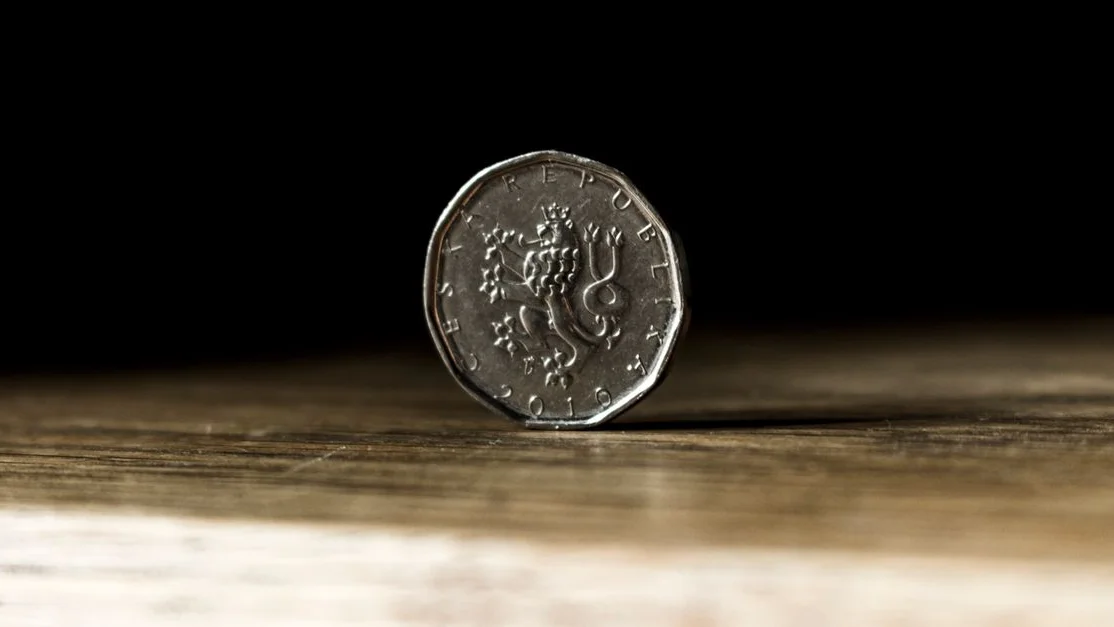
Money in the Czech Republic is straightforward once you know a few local habits: the country uses Czech koruna (CZK), cards are widely accepted, and tipping is modest but appreciated. This guide walks you through using money in Prague and beyond, from paying in mountain huts in Krkonoše to settling a bill in a Brno wine bar, so you can focus on enjoying your trip instead of worrying about the bill.
Quick summary
- The Czech Republic uses Czech koruna (CZK); euros are accepted only in some touristy places.
- Cards work very well in cities like Prague, Brno and Ostrava, but keep some cash for smaller towns and rural areas.
- ATMs are common; use bank ATMs and avoid expensive dynamic currency conversion when paying by card.
- Tipping is usually 5–10% in restaurants and bars, often rounded up in cash or by telling the server the total.
Understanding Czech Koruna and Where Euros Work
The official currency in the Czech Republic is the Czech koruna (CZK), sometimes written as Kč. In Prague, Brno, Plzeň and other major cities, you may see prices occasionally listed in both CZK and EUR, especially around Old Town Square, Wenceslas Square or Prague Castle. However, the exchange rate used when you pay in euros is usually less favourable than using koruna, and smaller towns like Český Krumlov, Telč or Olomouc will mostly expect CZK. For everyday purchases such as public transport tickets, supermarket shopping or museum entries, koruna is the norm.
You can get CZK from ATMs after arriving at Prague Airport (Václav Havel Airport Prague), Prague Main Station (Praha hlavní nádraží), Brno main railway station or bus terminals like Florenc in Prague. Currency exchange offices operate in tourist areas such as Prague’s Old Town or near the main square in Český Krumlov, but rates and fees vary, so compare carefully and avoid places that advertise "0% commission" but offer poor rates. For most visitors, withdrawing a moderate amount of CZK from a bank ATM and using cards for larger payments is a practical balance.
- Where euros are sometimes accepted: central Prague (Old Town, Malá Strana), Prague Airport, some hotels in Karlovy Vary, larger shops in border regions with Germany and Austria.
- Typical daily cash needs: small purchases like pastries in local bakeries, public toilets at train stations, small-town cafés in Šumava or Beskydy, and rural guesthouses.
Using Cards in Prague, Brno and Other Cities
Contactless card payments are widely used in Czech cities. In Prague, almost all hotels, mid-range and higher restaurants around areas like Vinohrady, Karlín and Holešovice, as well as supermarkets (Albert, Billa, Lidl) and chains like Starbucks or Costa, accept Visa and Mastercard. You can also pay by card for public transport tickets at Prague metro station machines and on many trams and buses. Brno, Plzeň and Ostrava have a similar level of card acceptance, especially in city centres and shopping malls such as Westfield Chodov in Prague or Galerie Vaňkovka in Brno.
In smaller towns and villages, card acceptance is improving but not universal. Family-run guesthouses in places like the Bohemian Paradise (Český ráj), South Bohemian villages near Třeboň, or mountain chalets in the Krkonoše and Jeseníky ranges may only take cash or may have card terminals that sometimes fail due to weak signal. As a rule of thumb, assume you can pay with a card in city centres and on intercity trains, but have cash ready for rural buses, local pubs and small attractions like regional museums.
- How to get there cash-light: arrive by train to Prague, Brno or Plzeň, withdraw CZK at a bank ATM in the station, then rely mainly on card payments in the city.
- Best areas for card-friendly stays: central Prague (New Town, Old Town), Brno-střed, and larger spa towns like Karlovy Vary and Mariánské Lázně, where hotels and restaurants routinely accept cards.
ATMs, Exchange Offices and Avoiding Bad Rates
ATMs (bankomaty) are easy to find in cities and larger towns, especially around train stations, main squares and shopping centres. In Prague, look for machines attached to major banks such as Česká spořitelna, ČSOB, Komerční banka or Moneta in areas like Wenceslas Square or Anděl. Similar bank ATMs are common in regional centres such as Liberec, České Budějovice, Hradec Králové and Zlín. Independent ATMs in heavily touristed streets of central Prague or Český Krumlov may charge higher fees, so many travellers prefer bank-branded machines.
When withdrawing or paying by card, you may be offered a choice between charging you in your home currency or in CZK. Choosing your home currency is usually called dynamic currency conversion and often comes with a worse exchange rate. If your bank allows it, selecting to be charged in CZK and letting your home bank do the conversion can be more cost-effective, but this depends on your card provider. Exchange offices near Prague’s Old Town Square, Charles Bridge and the main station offer a wide range of rates; those clearly displaying rates, without pressure and with transparent conditions, are generally safer options.
- Where to find reliable ATMs: inside or next to train stations (Praha hl.n., Brno hl.n., Plzeň hl.n.), in shopping centres like Palladium (Prague) or Forum Nová Karolina (Ostrava), and attached to major bank branches on main streets.
- Indicative fees and limits: many Czech bank ATMs show any withdrawal fee on-screen; your home bank may also add its own fee, so it can be worth withdrawing slightly larger amounts less often.
Cash in Smaller Towns, Mountains and Rural Areas
Outside the big cities, cash becomes more important. In historical towns such as Kutná Hora, Mikulov, Loket or Litomyšl, central restaurants and hotels usually take cards, but smaller wine cellars in South Moravia, village pubs in Vysočina, or family guesthouses around Šumava National Park may prefer cash. Mountain huts (chata, bouda) around Špindlerův Mlýn in the Krkonoše, Pec pod Sněžkou or Černý Důl can be cash-only, especially for snacks and drinks on hiking trails.
If you plan to explore nature areas like Bohemian Switzerland (Hřensko and Jetřichovice), the Bohemian Forest (Šumava, especially near Modrava and Kvilda) or the Moravian Karst near Blansko, it is practical to withdraw cash before leaving the nearest larger town. ATMs in small villages are less common, and opening hours of local banks can be limited. Trains and regional buses from Prague, Brno or Plzeň will get you to gateway towns, but once you transfer to local buses or taxis, cash is often the easiest and most reliable way to pay.
- How to get there prepared: take a train from Prague to towns like Děčín (for Bohemian Switzerland), České Budějovice (for Šumava) or Ostrava (for Beskydy), withdraw cash at the station, then continue by regional train or bus.
- Visit duration and budget context: for a weekend in areas like Bohemian Paradise or Krkonoše, many visitors carry enough cash for accommodation deposits, meals in local pubs and small entry fees to castles or viewpoints.
Tipping in Prague, Brno and Tourist Hotspots
Tipping in the Czech Republic is generally modest and flexible. In Prague’s central restaurants around Old Town, Malá Strana and Vinohrady, a typical tip is about 5–10% of the bill if you are satisfied with the service; there is no obligation to tip more. Locals often round the total up to a convenient number rather than calculating an exact percentage. In casual cafés, beer halls and bistros, leaving a small amount of coins or rounding up by 10–30 CZK is common. Service is usually not included in the bill, even if the menu mentions a cover charge (e.g. bread or table water).
In Brno, Plzeň, Olomouc and other cities, habits are similar but sometimes slightly more relaxed. At traditional beer halls in Plzeň or wine bars in Brno’s city centre, tipping is appreciated but not demanded; many Czechs simply round the bill. When paying by card, the server may ask you what total they should enter, and you can include the tip that way. In more touristy spots like Karlovy Vary or Český Krumlov, expectations can be closer to Prague, but it is still acceptable to tip according to the level of service rather than a fixed rule.
- Typical examples: if the bill in a Prague restaurant near Národní třída is 820 CZK and you were happy, you might say “make it 900” when the server brings the card terminal or cash tray.
- Best time and places to be generous: during unhurried dinners in mid-range restaurants, on guided tours around Prague Castle or in Český Krumlov, and when a server has gone out of their way to help with special requests.
Tipping for Taxis, Tours, Hotels and Spas
For taxis and ride-hailing services in cities like Prague and Brno, rounding up the fare is common practice. If a ride from Prague Main Station to Malá Strana costs around 220 CZK, many locals pay 240–250 CZK if the driver was safe and helpful. Private transfers from Prague Airport or long-distance taxi rides to towns like Karlovy Vary or Český Krumlov are often pre-priced; in those cases, adding a small tip is appreciated but not strictly expected. Always check that the taxi is licensed and, where possible, agree the approximate fare in advance or use an app-based service.
In hotels across Prague, Brno, Karlovy Vary and spa towns like Mariánské Lázně, tipping is low-key. Guests sometimes leave a small amount (for example 50–100 CZK) for housekeeping after a few nights, or give a similar amount to porters who help with luggage. In spa facilities in Karlovy Vary, Teplice or Luhačovice, tipping therapists is not a strong local custom but it is not unusual to leave a modest extra amount if you feel the service was particularly good. For group walking tours in Prague’s Old Town, Jewish Quarter or around Prague Castle, guides often receive tips of roughly 10–15% of the tour price, especially on tip-based or "free" tours.
- Nearby experiences where tipping comes up: airport transfers between Václav Havel Airport Prague and city hotels, guided excursions to Karlštejn Castle or Kutná Hora, and spa treatments in West Bohemia.
- Duration and cost context: for a half-day guided trip from Prague to Karlštejn by train or minibus, an individual tip in the range of tens of CZK to low hundreds is common, depending on the tour price and your satisfaction.
Practical Money Tips for Getting Around and Sightseeing
Public transport in Czech cities is usually paid in CZK, but ticket machines in Prague, Brno and Ostrava often accept contactless cards. For example, you can tap your card directly on validators in Prague trams or buy a day ticket at metro stations without cash. On intercity trains operated by České dráhy or RegioJet between Prague, Brno, Ostrava and regional centres, buying tickets online or by card at the station is straightforward, though small regional lines and rural buses may only accept cash. When changing cities, it can be convenient to withdraw or top up cash at major stations before boarding onward buses to smaller towns.
For sightseeing, most major attractions such as Prague Castle, the National Museum in Prague, Špilberk Castle in Brno, the ossuary in Kutná Hora or the castle in Český Krumlov accept card payments at ticket offices. Smaller regional museums, local viewpoints with simple entry gates and some castle tours run by volunteers may prefer cash. If you want to explore Prague on foot without constantly going online, tools like the Prague Tour Guide App with offline maps and curated walking routes can help you navigate between ATMs, attractions and restaurants while keeping your data usage low.
- Combining destinations efficiently: use trains from Prague to Brno, Olomouc or České Budějovice, pay tickets by card, then carry enough cash for local buses to places like Lednice–Valtice, Třeboň ponds or the Moravian Karst.
- Best time to manage money tasks: handle ATM withdrawals and any currency exchange during weekday daytime in central areas, when bank branches and information desks are open and you can compare options calmly.
Frequently asked questions
Can I use euros in the Czech Republic?
The official currency is Czech koruna (CZK). Some hotels, shops and restaurants in central Prague, at Prague Airport and in a few border regions may accept euros, but the exchange rate is often less favourable than paying in CZK. For everyday spending, it is practical to use koruna.
How much cash should I carry when travelling around Czechia?
Many visitors carry enough cash for one or two days of small expenses, such as snacks, local buses, tips and entry to smaller sights. In big cities like Prague and Brno, cards cover most costs. For rural areas and mountains, it is sensible to have extra cash for guesthouses, pubs and mountain huts that may not accept cards.
What is normal tipping in Czech restaurants and bars?
In restaurants and bars, tipping around 5–10% for good service is common, often by rounding the total to a convenient number. In casual places, people sometimes just leave the change or add a small amount. There is no strict rule, and not tipping at all for poor service is accepted.
Are ATMs and card payments safe in the Czech Republic?
ATMs and card payments are widely used, especially in cities. Many travellers prefer to use ATMs operated by major banks and to shield the keypad when entering PINs. When paying by card, you may be offered to be charged in your home currency; choosing to pay in CZK and letting your own bank handle the conversion can sometimes be better, depending on your card’s terms.
Important note
- Routes, timetables and ticket prices can change. Please verify current information on the official websites of the relevant operators (e.g. České dráhy, RegioJet, DPP, PID).
- Prices, fees and exchange rates are indicative only and may change.
- Opening hours may change seasonally or without notice. Check the official venue website before visiting.
- Safety guidance is for general information only and does not replace your own judgment on site.
- Trails and natural areas may be closed seasonally or affected by weather. Check trail conditions before setting out and bring appropriate gear.
- Spa treatments and offerings may change. Check directly with the venue for current services and prices.
Sources and official links
Prague Tour Guide App – Czech Republic app (coming soon)
We are building a Czech Republic app with offline maps and practical routes.

Scriptus
Content Creator
I am lost in this world so I have my bio still on my desktop instead of this website.
More from this author