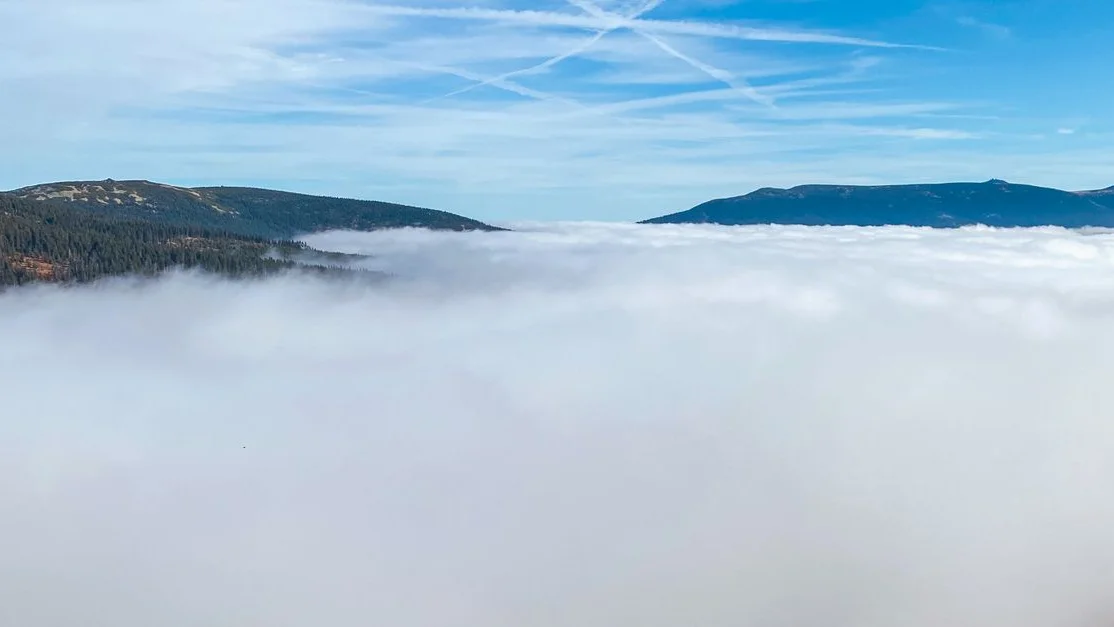
Krkonoše, the Giant Mountains on the Czech–Polish border, are the country’s highest range and a classic escape for both hikers and skiers. The area combines well-marked mountain trails, lively resorts like Špindlerův Mlýn and Pec pod Sněžkou, and quieter valleys with timber cottages and peat bogs. This guide focuses on practical planning: how to get there, where to base yourself, what trails and ski areas to choose, and what to expect in terms of prices, conditions and crowds.
Quick summary
- Base yourself in Špindlerův Mlýn, Pec pod Sněžkou or Harrachov for easy trail and ski access.
- Summer (June–September) is best for hiking; December–March is typical ski season, depending on snow.
- Book accommodation and ski passes early for Christmas, New Year and February school holidays.
- Use trains plus local buses; a car helps but parking in higher villages is often paid and limited.
Orientation: Main Bases and Mountain Character
Krkonoše stretch along the Czech–Polish border in north Bohemia, roughly between Harrachov in the west and Žacléř in the east. The highest peak is Sněžka (1,603 m), above the town of Pec pod Sněžkou. On the Czech side you’ll find a dense network of marked hiking trails, cross-country tracks and downhill ski areas, plus traditional chalets (boudy) serving simple mountain food. Weather can change quickly, and the upper ridges are often windy and cooler than the valleys.
For most visitors, the practical bases are Špindlerův Mlýn, Pec pod Sněžkou, Janské Lázně, Harrachov and Rokytnice nad Jizerou. Špindlerův Mlýn is the most developed resort, with a mix of hotels, guesthouses, restaurants and après-ski. Pec pod Sněžkou is ideal for Sněžka ascents and family skiing. Janské Lázně combines a spa town feel with access to Černá hora ski slopes. Harrachov and Rokytnice nad Jizerou are slightly quieter and good value outside peak holidays.
In terms of visit duration, a weekend works for a single resort or a Sněžka ascent, while 4–7 days allow you to combine several valleys and ski areas using local buses and lifts. Many travellers pair Krkonoše with a day or two in Prague before or after; planning apps such as the Prague Tour Guide App, which offers offline maps and curated walking routes, can help you organise the city portion of your trip.
- Main hubs: Špindlerův Mlýn, Pec pod Sněžkou, Janské Lázně, Harrachov, Rokytnice nad Jizerou.
- Character: well-marked trails, mountain huts, variable weather, busy during Czech school holidays.
Getting to Krkonoše and Getting Around
From Prague, the most common gateways are Vrchlabí, Trutnov, Jilemnice and Tanvald, which connect by bus to mountain resorts. Typical travel time from Prague to Špindlerův Mlýn or Pec pod Sněžkou is about 3–4 hours using a combination of train and bus. Trains from Prague usually go via Hradec Králové to Trutnov for eastern Krkonoše (Pec, Janské Lázně) or via Turnov to Jilemnice or Tanvald for western Krkonoše (Špindlerův Mlýn, Harrachov, Rokytnice).
By car, expect roughly 2–3 hours from Prague in normal conditions. Roads are generally well maintained but can be snowy or icy in winter; winter tyres are strongly recommended and chains can be useful on steep local roads. Parking in higher villages like Špindlerův Mlýn, Pec pod Sněžkou and Špindlerův Mlýn’s Medvědín area is usually paid and can fill up on weekends and holidays. Once in the mountains, local ski buses and seasonal shuttle services link villages, lifts and trailheads; these are often free with a ski pass or guest card, but conditions vary by resort and season.
Public transport schedules and fares change periodically, so it is worth checking current connections on Czech journey planners close to your travel dates. As a rough indication, one-way train tickets from Prague to Trutnov or Tanvald are typically modest in price, with local buses adding a small supplement.
- From Prague by train + bus: about 3–4 hours to most resorts, usually with one or two changes.
- By car: allow 2–3 hours from Prague; expect paid parking and possible winter driving conditions.
Best Time to Visit and Typical Conditions
For hiking, late June to mid-September is usually the most reliable period, with most mountain huts open and snow largely gone from the main ridges. May and October can be beautiful but more unpredictable, with lingering snow patches, muddy trails and some services operating on limited hours. July and August bring the warmest weather but also the largest crowds, especially around Sněžka and popular viewpoints such as Labská bouda and Pančavský vodopád.
For skiing, lifts in major resorts like Špindlerův Mlýn, SkiResort ČERNÁ HORA–PEC (linking Janské Lázně and Pec pod Sněžkou) and Harrachov typically run from mid-December to March, depending on natural snow and snowmaking. Christmas–New Year and February (Czech school holidays) are the busiest and often priciest weeks for accommodation and ski passes. Shoulder periods like early December and late March can be quieter and sometimes cheaper, but snow cover is less predictable. Always check current snow reports and lift operations shortly before your trip.
- Hiking: best from late June to mid-September; expect crowds in July–August on classic routes.
- Skiing: usually mid-December to March; peak prices and crowds around Christmas and in February.
Classic Hiking Routes: Sněžka and the Main Ridge
The ascent of Sněžka is the signature Krkonoše hike. The most popular starting point is Pec pod Sněžkou, following marked trails via Růžohorky chalet and Růžová hora to the summit. Fit hikers usually allow 3–4 hours up and 2–3 hours down; cable cars from Pec to Růžová hora and then to Sněžka shorten the climb when operating, though queues can be long on sunny weekends and holidays. Another rewarding approach is from Špindlerův Mlýn via Luční bouda and the plateau around Luční hora, which offers expansive views and a more open high-mountain feel.
For a full-day ridge experience, consider the route from Špindlerův Mlýn up to Špindlerova bouda, then along the Czech–Polish Friendship Trail (marked in red) toward Sněžka, passing viewpoints such as Sněžné jámy and the source area of the Elbe River (Pramen Labe). From there you can descend to Labská bouda and back down to Špindlerův Mlýn via the Labský důl valley. Another scenic option is the loop from Rokytnice nad Jizerou up to Dvoračky chalet and along the ridge above the Kotelní jámy cirques. These routes are well marked but can be exposed in bad weather; fog, wind and sudden storms are not uncommon.
Many routes cross the Krkonošsko-jesenická magistrála, a long-distance red-marked trail traversing the range. Multi-day hikes are possible using mountain chalets and guesthouses in villages like Pec, Špindlerův Mlýn and Horní Malá Úpa; booking ahead in high season is advisable.
- Sněžka from Pec pod Sněžkou: iconic ascent; allow a full day with breaks and photo stops.
- Ridge hikes from Špindlerův Mlýn or Rokytnice: well-marked but exposed; check forecasts and carry layers.
Ski Resorts and Winter Activities
Krkonoše host several medium-sized ski areas rather than a single huge resort. Špindlerův Mlýn is often considered the flagship, with ski slopes on Medvědín and Svatý Petr offering a mix of red and blue runs and some snow parks. SkiResort ČERNÁ HORA–PEC connects multiple areas, notably Černá hora above Janské Lázně and the slopes around Pec pod Sněžkou; shuttle buses and, in some seasons, a connecting gondola help link the zones. Harrachov and Rokytnice nad Jizerou provide additional pistes, often with a slightly more relaxed feel.
Lift passes vary by resort and season; day passes in major areas are typically mid-range by Central European standards, with cheaper half-day or evening options. Family and multi-day passes can offer better value, and some resorts provide discounts for online purchase. Equipment rental is widely available in Špindlerův Mlýn, Pec, Janské Lázně and Harrachov, with indicative daily prices for skis or snowboards plus boots that are usually accessible for most visitors compared with Alpine destinations.
Beyond downhill skiing, Krkonoše are known for cross-country trails, especially around Horní Mísečky, Benecko, Vrchlabí and the Černá hora plateau. Many routes are groomed when snow conditions allow and are free to access, though parking at trailheads may be paid. Snowshoeing is possible on many hiking paths, respecting any winter closures in protected zones. Sledging hills and small children’s lifts are common near village centres, making the region suitable for families with different ability levels.
- Main ski areas: Špindlerův Mlýn, SkiResort ČERNÁ HORA–PEC, Harrachov, Rokytnice nad Jizerou, Benecko.
- Cross-country hubs: Horní Mísečky, Benecko, Vrchlabí surroundings, Černá hora plateau near Janské Lázně.
Practical Tips: Accommodation, Prices and Safety
Accommodation ranges from simple mountain chalets (boudy) and guesthouses (penziony) to mid-range hotels and a few higher-end wellness stays, particularly in Špindlerův Mlýn and Janské Lázně. Prices vary significantly by season, with Christmas, New Year and February holidays typically the most expensive. Booking several months ahead is sensible for peak winter and for July–August weekends, especially in Pec pod Sněžkou and Špindlerův Mlýn. In shoulder seasons, you may find more last-minute availability and lower rates.
Food on the mountain is generally hearty and straightforward: soups, goulash, schnitzels, grilled sausages and sweet dishes like pancakes or fruit dumplings. Expect to pay more at high-altitude chalets than in valley towns like Vrchlabí or Trutnov. Tap water is usually safe to drink in accommodation and restaurants, but on longer hikes it is practical to carry enough water, as not all springs are treated. Card payments are common but not universal in smaller huts, so carrying some Czech crowns in cash is advisable.
Weather can change quickly on the ridges, even in summer. A basic packing list should include a waterproof jacket, warm layer, hat, gloves, and sturdy footwear, plus sun protection. In winter, respect avalanche warnings and piste closures; while large avalanches are not frequent compared to higher mountain ranges, certain slopes can still be hazardous. Mobile coverage is fairly good on ridges but can be patchy in some valleys, so carrying a paper map or offline map in addition to digital navigation is prudent.
- Book early for Christmas, New Year and February; consider shoulder seasons for better value.
- Carry cash for smaller huts, pack for changeable weather, and check current conditions before long hikes.
Combining Krkonoše with Nearby Towns and Sights
Many travellers combine a Krkonoše stay with nearby historic towns and smaller attractions. Vrchlabí, often called the gateway to Krkonoše, has a small chateau, a pleasant park and the Krkonoše Museum, which gives context on local nature and traditional life. Trutnov offers a compact centre with cafés and shops, making it a practical stop before or after Janské Lázně or Pec pod Sněžkou. Jilemnice, near the western foothills, is known for its ski museum and traditional architecture.
If you have a car, you can add day trips to places like the Bozkovské Dolomitové Jeskyně (Bozkov Dolomite Caves) south of Semily, or the sandstone rock towns of Český ráj (Bohemian Paradise) around Turnov, Hrubá Skála and Prachovské skály. With public transport, connections are possible but often require changes; allow extra time. For international travellers, it is common to fly into Prague, spend a day or two in the city, then continue by train and bus to Krkonoše and back, making the mountains a manageable extension to a Czech city break.
Visit durations can vary: a weekend in Vrchlabí with a one-day hike, or a week-long circuit combining Špindlerův Mlýn, Pec pod Sněžkou and Janské Lázně. When planning, factor in travel times between valleys, as roads and bus routes often follow longer loops around the mountains rather than straight lines over passes.
- Nearby towns: Vrchlabí, Trutnov, Jilemnice; good for museums, supplies and a change of pace.
- Add-ons: Bohemian Paradise rock towns, Bozkov caves, or extra days in Prague before or after your mountain stay.
Frequently asked questions
How many days do I need in Krkonoše for hiking or skiing?
For a focused trip, 2–3 days are enough to hike Sněžka or explore one ski resort. To combine several valleys, ridge hikes and different ski areas, 4–7 days are more comfortable. Travel time from Prague typically adds half a day at the start and end.
Do I need a car to visit Krkonoše?
A car is helpful, especially with ski gear or if you plan to move between several valleys, but it is not essential. Trains and buses connect Prague with gateways like Vrchlabí, Trutnov, Jilemnice and Tanvald, and local buses and ski shuttles link resorts and trailheads. In winter, parking can be limited and often paid, so some visitors prefer public transport.
Is hiking in Krkonoše suitable for beginners and families?
Yes, many routes are suitable for beginners and families, especially lower valley paths and shorter walks from lift stations such as Hromovka, Medvědín, Černá hora or Horní Mísečky. However, ridge trails can be long, exposed and windy, so choosing routes that match your fitness and checking the weather forecast is important. In winter, stick to marked and open routes and avoid closed or avalanche-prone areas.
How expensive is Krkonoše compared with other mountain regions?
Costs are generally moderate by European standards. Accommodation and food in main resorts like Špindlerův Mlýn and Pec pod Sněžkou are usually higher than in nearby towns such as Vrchlabí or Trutnov, and prices rise during Christmas, New Year and February. Lift passes and rentals are typically lower than in many Alpine destinations but still represent a significant part of the budget. Booking in advance and avoiding peak weeks can help keep costs down.
Important note
- Routes, timetables and ticket prices can change. Please verify current information on the official websites of the relevant operators (e.g. České dráhy, RegioJet, DPP, PID).
- Prices, fees and exchange rates are indicative only and may change.
- Opening hours may change seasonally or without notice. Check the official venue website before visiting.
- Safety guidance is for general information only and does not replace your own judgment on site.
- Trails and natural areas may be closed seasonally or affected by weather. Check trail conditions before setting out and bring appropriate gear.
- Spa treatments and offerings may change. Check directly with the venue for current services and prices.
Sources and official links
Prague Tour Guide App – Czech Republic app (coming soon)
We are building a Czech Republic app with offline maps and practical routes.

Scriptus
Content Creator
I am lost in this world so I have my bio still on my desktop instead of this website.